Blog · Platforms, Domains and Hosting
How to Choose a Domain Name for Your Blog (and Where to Buy It)
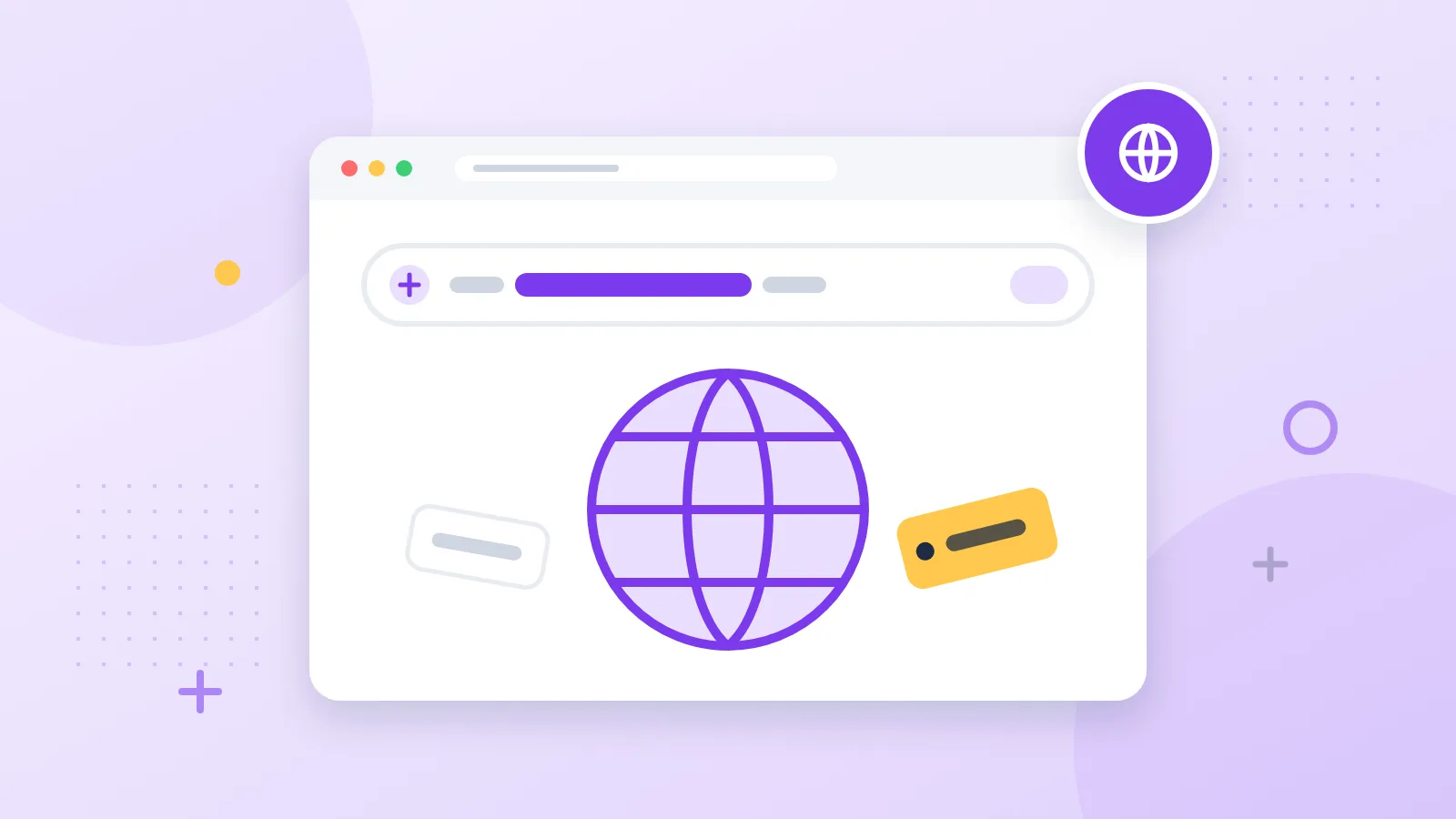
Your blog domain name is the one decision that's genuinely hard to change later. You can redesign the site, switch platforms or rewrite every post, but moving to a new domain means new links, redirects and a dip in search traffic while Google catches up. So it's worth an hour now.
The good news: the rules are simple, and most of them come down to whether a stranger could hear your domain once and type it correctly.
The rules that matter
Short and easy to say
Read your domain out loud to someone and ask them to type it. If they hesitate or ask "how do you spell that?", keep looking. Aim for two or three short words at most. Under about 15 characters (before the .com) is a good target, though a longer name that's easy to say beats a shorter one that isn't.
Watch for words that run together badly. A name that reads fine in your head can produce an awkward or unfortunate word when the spaces are removed. Write it in lower case with no spaces and check it with fresh eyes.
No hyphens or numbers
Both cause the "say it out loud" problem. Is it "five" or "5"? With or without the dash? People will get it wrong, and some of them will land on a different site. Hyphenated names also tend to look less trustworthy to readers.
Broad enough to grow
A name like bestairfryerrecipes.com boxes you in. What happens when you want to write about slow cookers, or batch cooking, or kitchen kit? Pick something that covers the topic you'll be writing about in three years, not just the first ten posts. If you're still settling on your subject, read how to find a blog niche first, then come back to the name.
Stay clear of trademarks
Don't build your name around a brand you don't own. iphonetipsdaily.com or anything with "Disney" or "Nike" in it can attract a legal complaint, and losing a domain after two years of work is a miserable way to start again. A quick search of the trademark register in your country (and a normal web search) will flag the obvious problems.
Which extension: .com, a country domain or something newer?
.com is still the default. People assume it, phones autocomplete it and it works in every country. If you can get a good .com, take it. A .com usually costs around £8–£15 ($10–$20) a year, though prices vary by registrar and change over time.
Country domains such as .co.uk, .ca, .com.au or .de are a good choice if your blog is clearly aimed at one country. Readers there trust them, and search engines treat them as a signal that your site is for that country. The flip side: if you later want a worldwide audience, a country domain can look local.
Newer extensions like .blog, .io, .co or .xyz are fine technically and can rank like any other domain. The risks are practical ones. People may type .com by habit and end up elsewhere, and some newer extensions have cheap first-year prices but much higher renewals. Check the renewal price before you fall for one.
If your perfect name is only free as a .blog, it can work. If it's free as a .com with a small tweak, that's usually the better buy.
Brandable name or keyword name?
A keyword name describes the topic: ukgardeningtips.com. A brandable name is a made-up or memorable phrase: Muddy Boots Garden, The Patch.
Years ago, having your exact search phrase in the domain gave a noticeable ranking boost. Google stopped giving exact-match domains special treatment a long time ago. Today a keyword in the domain might help readers guess what you write about, and that's about it.
Brandable is usually the better choice, for a few reasons:
- It's easier to remember and recommend.
- It doesn't trap you in one narrow topic.
- It looks like a real publication rather than a site built to rank.
- Keyword combinations are more likely to be taken, or held by someone wanting a high price.
A middle path works well too: a brandable word plus a hint of the topic, like Tin Roof Kitchen for a cooking blog.
Check social handles before you buy
Even if you don't plan to be active on social media yet, check whether the name is free on the platforms you might use: Instagram, TikTok, YouTube, Pinterest, X, Facebook. You don't need an exact match everywhere, but a different handle on every network gets confusing. Grab the main ones the same day you buy the domain, even if you leave them empty for now.
While you're at it, search the name on Google. If a well-known business or a controversial site already uses something very similar, pick again.
Where to buy your domain
You buy domains from a registrar, a company accredited to sell them. Well-known options include Namecheap, Porkbun, Cloudflare Registrar, GoDaddy and the registrar services many web hosts offer. Most are fine. What separates them is how they price things after the first year and what they try to add to your basket.
Watch for these:
- Renewal price. The first year is often discounted. Look for the renewal price, which is what you'll pay every year after, and compare that, not the headline offer.
- Paid add-ons. Extra email accounts, "SEO tools", site builders and premium security bundles get pre-ticked or pushed at checkout. A beginner needs none of them to start.
- Privacy protection. This hides your name and address from the public domain lookup (WHOIS). Many registrars now include it free, so don't pay extra for it unless your registrar is the exception.
- Bundled domains with hosting. Some hosts give you a free domain for the first year. That's fine, but check the renewal price, and know how to move the domain if you ever change host.
Keeping your domain at a separate registrar from your hosting is a sensible habit. If something goes wrong with the host, your domain isn't stuck with it. Turn on auto-renew either way, and keep the payment card on the account up to date. Domains lapsing by accident is a common and avoidable loss.
For a full picture of what you'll spend, see how much it costs to start a blog.
What if your first choice is taken?
It probably will be. That's normal, so don't panic or overpay.
- Try a small change: add a word like "the", "my" or "daily" only if it still sounds natural, or swap a word for a synonym.
- Check other extensions, but only ones that make sense for your audience (a country domain, or .blog).
- Look at whether the taken domain is actually in use. If it's parked with a "for sale" page, the owner may want hundreds or thousands. For a new blog, that's rarely worth it.
- Go back to brainstorming. Combining two short words often produces something free and memorable.
Our blog name generator can help here: type in your topic and it suggests name ideas with a live check of which domains are still available, so you're not testing them one by one.
Avoid buying a near-copy of an established site's name in the hope of catching its traffic. It confuses readers, invites legal trouble and doesn't help you build anything of your own.
FAQ
Does a keyword in my domain help SEO?
Very little. Google stopped giving exact-match domains special treatment years ago, so a memorable, brandable name usually serves you better than a string of keywords.
Should I buy a .com or a .co.uk for my blog?
If you're writing mainly for UK readers, a .co.uk is a good choice and readers trust it. If you might want a worldwide audience, a .com is the safer default.
How much should a blog domain name cost?
A standard .com usually costs around £8–£15 ($10–$20) a year. Check the renewal price as well as the first-year price, and skip the paid add-ons at checkout.
Can I change my blog's domain name later?
Yes, but it takes work: you need to redirect every old address to the new one, and search traffic can dip while search engines catch up. It's far easier to choose carefully at the start.
Do I need WHOIS privacy?
It's a good idea, since it keeps your personal details out of the public lookup. Many registrars now include it free.
Next step
Write down ten possible names tonight, say each one out loud, cross off any with hyphens, numbers or spelling traps, and check the survivors for availability. Once you've bought the domain, our guide on how to start a blog takes you through setting it up.