How Long Does It Take a New Blog to Get Traffic?
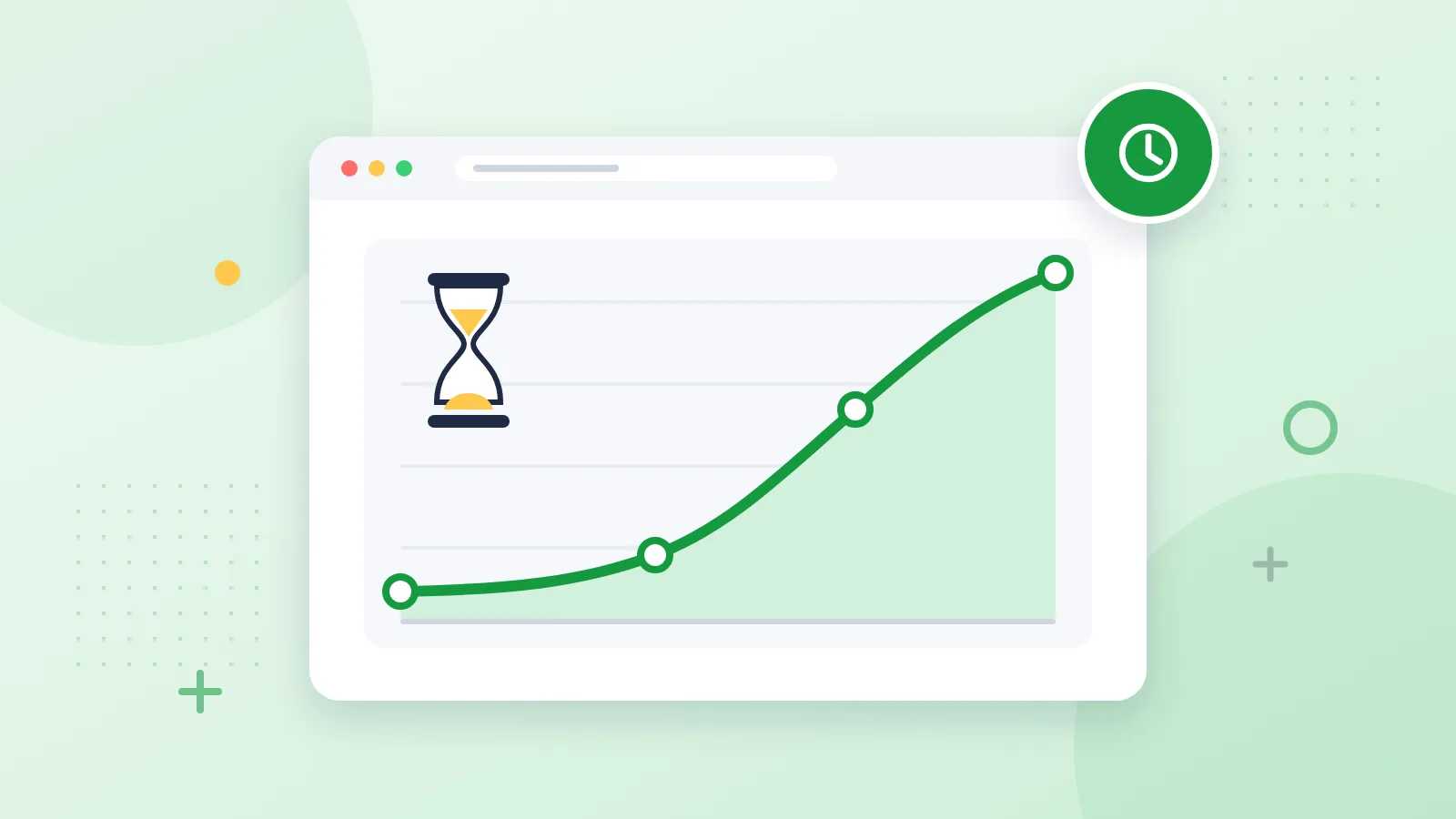
Longer than most people hope. For a brand-new site, search traffic commonly takes several months to start building and often 6 to 12 months to become meaningful. In a crowded niche, or if you publish rarely, it can take longer still.
Those are common experiences, not promises. Nobody can tell you exactly when your blog will take off, and anyone who guarantees a date is guessing or selling something. What we can do is explain what usually happens, why it's slow, and what you can control.
Why search traffic is slow at the start
Google doesn't know your site yet. It has to find your pages, decide they're worth keeping in its index, and then work out where they belong among millions of others. A new domain has no history and usually no links from other sites, so Google has little to go on except the pages themselves.
It also tends to test new pages: showing them for a few searches, low down, and watching how they do. That's why early rankings jump around so much. A post can appear on page two one week and vanish the next. This is normal and not a sign you've done something wrong.
What to expect, stage by stage
Every blog is different, but the order of events is fairly consistent. The timings below are rough.
Weeks 1 to 4: getting indexed
Your first job is getting Google to notice you. Set up Google Search Console, verify your site and submit your sitemap. Within days to a few weeks, you should see some pages listed as indexed.
Traffic at this stage is mostly you, your friends and the odd bot. That's fine.
Months 2 to 4: the first impressions
In Search Console's Performance report, you'll start to see impressions. An impression means your page appeared in someone's search results, even if they didn't click or scroll down far enough to see it.
These early impressions usually come from long-tail searches: oddly specific phrases you never targeted on purpose. Read them. They tell you what Google thinks your pages are about, and they're often ideas for your next posts.
Clicks may be in single figures per week. Some weeks there'll be none.
Months 4 to 8: a trickle of clicks
If you've kept publishing, some posts will settle on page one or high on page two for specific searches. You'll see a handful of clicks a day, then a few more. It feels painfully small, but it's the start of something that compounds: each post that ranks adds a little more, and Google tends to trust a site more as it builds a track record.
Months 6 to 12 and beyond: meaningful traffic, maybe
This is the stretch where many blogs that keep going start to see traffic worth talking about. Older posts climb, updates to near-miss posts pay off, and the total starts to grow month on month.
"Meaningful" depends on your goals. For a hobby blog it might be a few hundred visits a month. For a blog aiming to earn from ads, you'll need a lot more, which is one reason how bloggers make money varies so much by stage.
What changes the timeline
Three things make the biggest difference.
How competitive your niche is. Writing about credit cards or weight loss means competing with huge, well-funded sites. Writing about restoring vintage sewing machines means competing with forums and a few hobby blogs. The second will usually get traffic much sooner.
How often you publish. A blog with 40 good posts after six months has far more chances to rank than one with eight. There's no magic frequency, but one or two solid posts a week, kept up for months, is a pace many successful blogs started with.
How good and useful the posts are. Google says it rewards helpful, people-first content. Posts that answer the question properly, show real experience and are easy to read have a better chance than thin or generic ones.
Things that speed it up
You can't force Google, but you can stack the odds.
- Target low-competition questions. Specific searches with forums or small blogs on page one are your best early wins. Finding a niche you can rank for explains how to spot them.
- Publish on a steady schedule, even if it's modest. Consistency beats bursts followed by silence. A plan for your first 30 posts makes this much easier.
- Link your posts to each other. Internal links help Google find new pages and understand how your topics fit together.
- Group posts around a topic. Ten posts that cover one subject thoroughly do more than ten scattered ones.
- Update posts that are almost there. Once Search Console shows pages at positions 8 to 20, improving them is often faster than writing new ones.
Get visitors from outside Google
Search is slow, so don't rely on it alone in year one. Other sources can send readers now, and some of those readers will share and link to you, which helps search too.
- Pinterest works well for visual, practical niches like recipes, crafts, home, travel and personal finance. Pins can keep sending traffic for a long time.
- Communities such as Reddit, forums and Facebook groups can send real readers if you're genuinely helpful first. Most have rules about self-promotion, so read them, answer questions properly and link only when your post is the best answer.
- A newsletter lets you reach people again without depending on any algorithm. Add a simple sign-up form early, even if only a few people join at first.
Signs you're on track (even when traffic is low)
Visits are a lagging number. These earlier signs tell you more in the first months:
- The number of indexed pages in Search Console keeps rising as you publish.
- Total impressions are trending up month on month, even if clicks are tiny.
- The number of different search queries your site appears for is growing.
- Your average position for specific posts is slowly improving.
- A few posts are getting clicks without you promoting them.
If all of these are flat after six months of regular publishing, it's worth a hard look at your topics. Usually the problem is targeting searches that are too competitive, or writing about things nobody searches for.
Why people quit too early
Most blogs that fail don't fail because they did SEO wrong. They stop.
The pattern is common: an enthusiastic first month, a dozen posts, then several weeks of looking at an analytics graph that barely moves. Motivation drops, posting slows, and the blog goes quiet around month three or four, which is often right before search traffic would have started to show up.
A few things help you get through that stretch:
- Judge progress by impressions and indexed pages, not visits, for the first six months.
- Commit to a number of posts rather than a traffic target. "Thirty posts by the end of month five" is something you control.
- Set a review date, such as month nine or twelve, and don't decide whether the blog is working before then.
- Enjoy the topic. If writing about it bores you now, it'll be unbearable by month eight.
Your next step
If you haven't already, set up Search Console this week and note your current impressions. Then decide how many posts you'll publish in the next three months and put the dates in your calendar. Our guide to SEO for new blogs covers what to focus on while you wait.